How to Get Into Cooking
Sometimes You Gotta Write About Your Hobbies
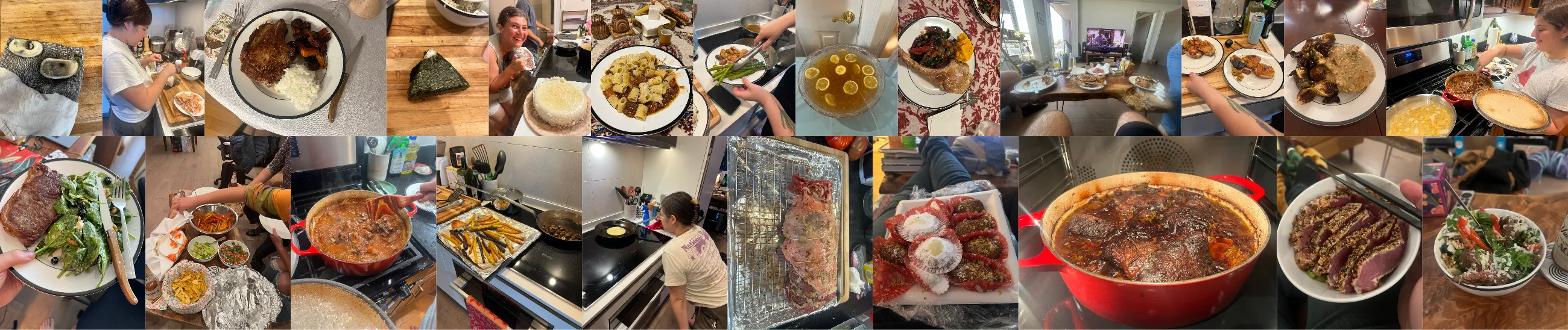
My grandfather used to say that if you knew how to cook you would never be homeless.
It’s a skill that’s always in demand from roommates and partners.
Over the last few years I’ve gotten really into cooking as a hobby. It was surprisingly difficult even though I’ve been trying to learn since high school. The results in those years were quite poor and my friends have had almost a decade of fun reminding me of those mistakes!
But recently things have really started to hit a stride. Last year I cooked Easter lamb for my family, hosted three large dinner parties where we fed 10-20 people, and have learned to whip up dinner pretty easily regardless of what’s in the fridge.
This is the guide I wish that I had at the beginning. It is opinionated, self contained and practical. If you read this having never cooked before you should be prepped to start trying out recipes and actually learning.
So much of this info is balkanized across different sources all trying to waste your time, no longer.
Having trouble focusing?
Getting Philosophical First
Any guide or review is pointless without understanding the biases of the author. If you have the same biases this will all work out great.
I’m not interested in:
- “Technical cooking”, trying to do fine dining at home. Respect people who are.
- “Lazy cooking”, making some mistakes and taking time to prep are fine. I don’t have kids.
- “Meal prep”, to optimize health or budget. Food should taste good.
- “Traditional cooking”, I don’t care how your Nona made it or whatever. If it’s good it’s good.
- “Being a Gear Guy”. I’m willing to buy expensive kit, but am skeptical of unitaskers.
I am interested in:
- Cooking from a variety of places, learning about culture through food.
- Learning the core skills and theory of cooking. It doesn’t “just work.”
Cooking is a separate skill from hosting. Just because you made the food well, doesn’t mean you’re ready to cook dinner for 20 people. Trust me, I’ve found this out the hard way, and some tips for that are in the footnotes.
For now just stick to cooking for yourself and maybe a roommate.
Before We Do Anything
Like any hobby you’ll need to buy some stuff. Basically all of it is one time. I’m going to assume you have nothing outside of a burner and an oven. I live in an apartment with a gas burner (so no homemade BBQ for me).
Each section has a shopping list at the end, have your AI agent of choice figure out specifics.
Cutting system: Knife, Cutting Board, Sharpening
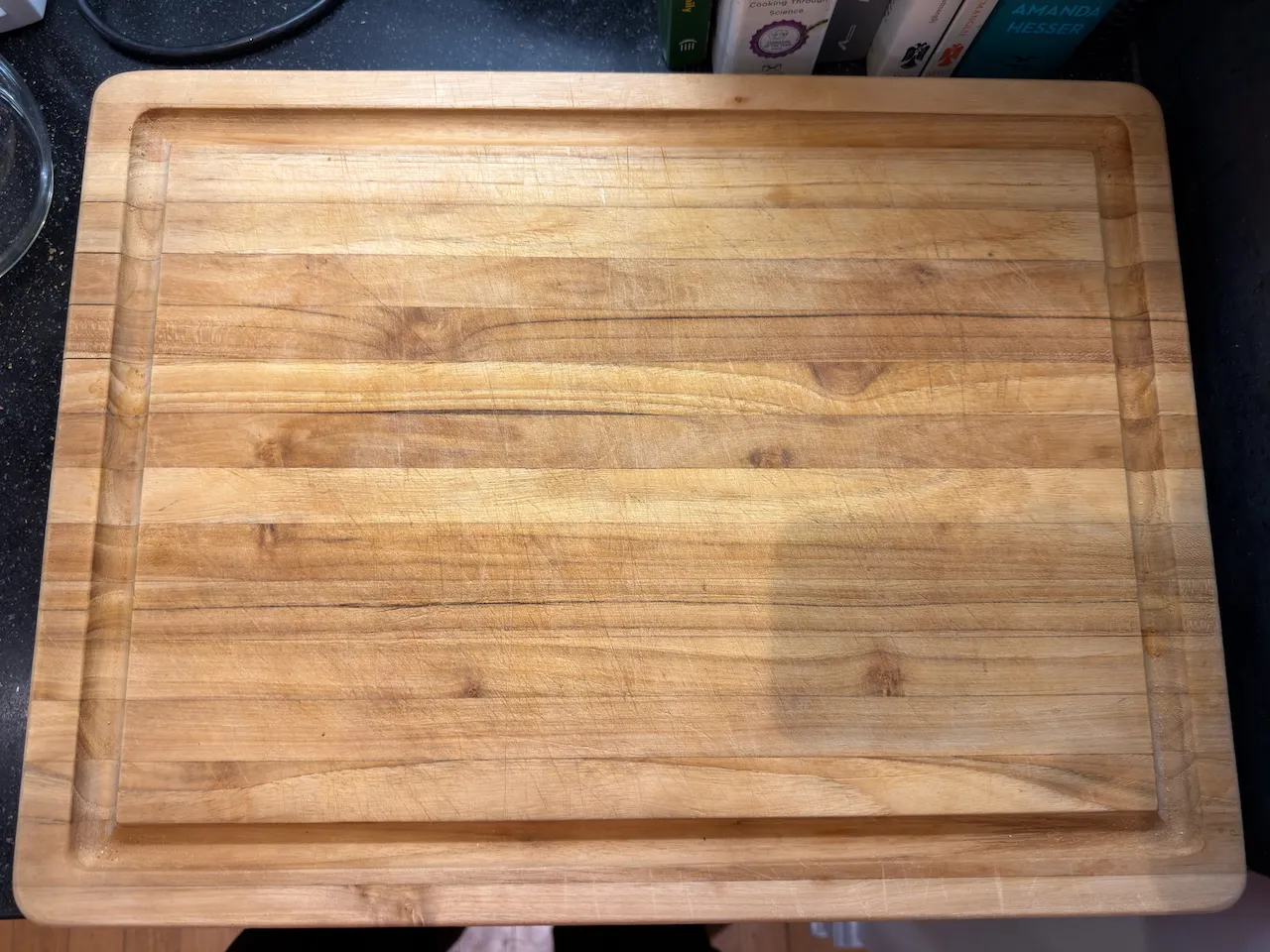
Heavy and beautiful
This is obviously important, but also straightforward.
For a knife go with one that feels good to you from the two options on America’s Test kitchen. Heavy or light. Just buy one type, the Chefs knife. If you want to buy a second one, buy a utility knife, which is just a smaller chefs knife. If you wanna get really fancy buy a nice pair scissors.
Chefs knives give you lots of leverage and cutting power, utility knives give you some finesse.
Avoid knife packs, you’re going to get a bunch of shit you don’t need. Crazy Japanese knives, even if you have the money, are too finicky.
You’re not here to become a knife nerd.
For a cutting board, that’s up to you to make your own decision. I’d recommend skipping any cheap plastic ones and going straight to the big teak boards. They’re not THAT expensive and really give you a great prep surface if you’re strong enough to throw them around.
That said, I’ve cut stuff on everything from dinner plates to cheese boards before.
Buy a pull through sharpened. The manual or automatic pull through ones. Ideally the manual. Sharpen your knives frequently.
Learn the absolute basics of how a knife works and cut slowly.
I’m going to assume you already have some band-aids for when you cut yourself.
Things to cook food in: Pots and Pans
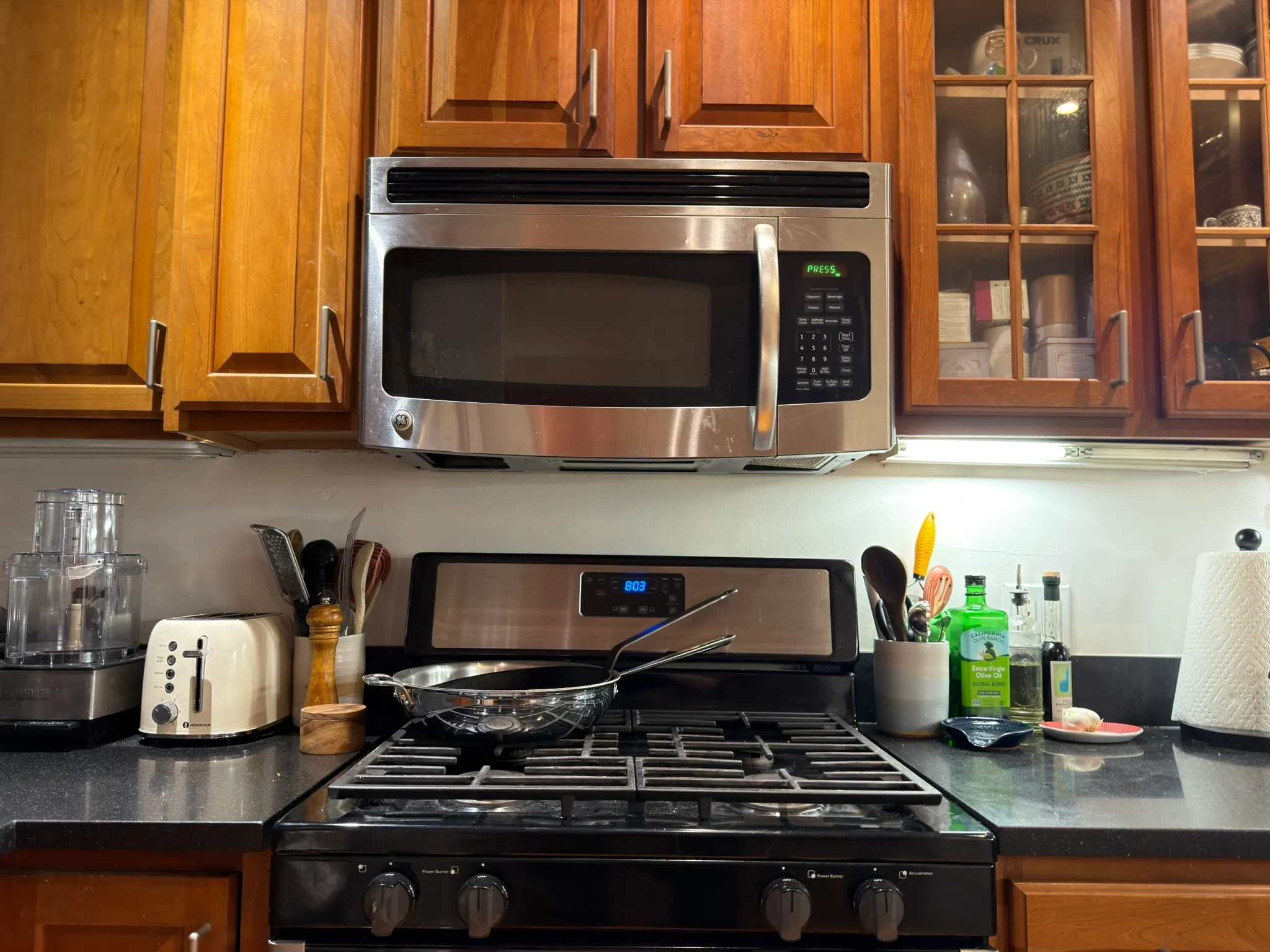
Things that you put on your cooking surface have three qualities that matter:
- Shape and Size.
- The material’s heat retention, transfer speed, and quirks.
- Compatibility (if you’re using induction).
For shape and size, it depends on what you’re going to be cooking and for how many people. Never get the smallest size unless you live a very lonely life.
There’s three materials to choose from for heating. Aluminum, cast iron and carbon steel.
Aluminum heats up quickly, and depending on thickness, dissipates heat quickly. Good aluminum pans are thick, so they can build up lots of heat, and can withstand the shock of cold food being put in them.
Ignore cast iron unless budget constrained. It’s a pain to clean, heavy, and the thermal properties are basically the same as carbon steel.
Carbon steel pans are heavier, require a little maintenance, called “seasoning”, but have a higher thermal mass. In my opinion the median carbon steel pan you find is going to be better than the median aluminum pan at the store.
If you can only choose one material, carbon steel is what I’d go with for pans. Pretty cheap, sturdy, unquestionably oven safe. Seasoning a carbon steel pan is much easier and less labor intensive than cast iron.
Aluminum can also come with a non-stick coating, or clad in stainless steel. These pans are known by the coating instead of the internal material, so non-stick and stainless steel respectively.
Non-stick is what I’ve seen most people exclusively cook with because it requires no technique to get food to unstick. Thermally they’re the same as aluminum pans without the coating.
You should not put it in the oven or use metal utensils on it. Teflon is nasty stuff when it delaminates and you don’t want it in your food. Assuming you can follow directions it should be safe.
If this bothers you just buy two carbon steel pans instead.
For the average American kitchen I’d recommend:
- Non-stick skillet for eggs and other low temp stuff that sticks.
- Carbon Steel or Stainless frying pan, sautéing and other quick cooking methods.
- Saucepan for things that need to be in a small pot. Boiling water for pasta, mashed potatoes, etc.
- Dutch Oven for soups, stews and other things that need to be in the oven for a while.
If you’re exclusively interested in cooking asian food, maybe replace the heavy bottomed frying pan with a Wok. Although you may need a special burner or something similar.
Cooking Tools: Spoons, Utensils, Graters
There are certain cooking tools that you will need, on top of pots pans and knives.
Utensils are important. They manipulate food in different states for you as you work.
You’ll need:
- Metal Fish Spatula, it’s wider, gentler on your food, and ergonomically easier than the regular diner style one.
- Silicone Spatula, for scraping out bowls and a mixing spoon in a pinch.
- Hand Grater, for cheese and spices. You probably don’t need a box grater, it’s a pain to deal with and store.
- Wooden spoon for soup. Very important to use wood here because you can leave the spoon in the soup and you won’t burn yourself on it.
- Scissors. Sturdy, sharp, kitchen scissors are worth their weight in gold.
- Whisks for whisking.
- Tongs, unless you’re willing to make do with a fork and some burns.
- A few aluminum sheet pans and the same number of wire racks.
- Aluminum foil, plastic food wrap, butcher twine, and paper towels.
You’ll also need measuring tools for measuring out ingredients. Just starting means following each recipe as close as possible.
The required tools are:
- Measuring spoons and cups for solids.
- Tempered glass measuring cup, like Pyrex, for hot and cold liquids.
- A kitchen scale. 1/10th of a gram precision.
- Cheap aluminum bowls, it doesn’t matter where they come from really just make sure you have more than you think you’ll need and in a bunch of sizes. Avoid glass, ceramic or plastic.
- Meat thermometer, best way to tell if something is actually done right.
Volumetric measurement is kinda bad, different scoops of powders may have different levels of air in them. A kitchen scale that measures by weight is always correct.
Don’t be lazy, they’re 20$, buy one and save yourself the trouble of making a bad meal.
Basic Universal Ingredients
There’s certain things that basically every recipe will call for and will never go bad. Buy them from Costco.
- Kosher Salt. Kosher is important because it is large, so easy to measure by hand. Fine salts, table salt, will easily oversalt things. Buy a salt pig too, it’ll look nice.
- Whole Black Pepper and pepper mill. Never buy pre-ground pepper, it’s like pre-ground coffee. Flavorless.
- Eggs! However you like em from the store.
- One high smoke point oil, avocado, and a cheap low smoke point oil, vegetable. Flavored oil if you have a favorite cuisine, like olive oil for european or sesame oil for asian etc.
- Cheapish Unsalted Butter. If it goes to lubricate the pan, don’t worry about buying the fancy stuff it won’t matter. Add some nicer butter for toast or finishing steaks if you want. Never buy salted unless you have a specific requirement for it, you can add as much salt as you want yourself.
- Pre-made mixes that are good. Some things are better premixed, mostly baked goods. Think pancake, brownie, and cake mix.
- Vinegar of choice, balsamic, white or apple cider. Ideally all three.
- Basic dried spices: garlic powder, onion powder. Plus some specific ones based on what type of food you’re planning on making. Frenchish food could be rosemary, thyme, sage, and Mexicanish might be mexican oregano, cumin, chipotle, coriander.
What to cook?
You’re going to think I’m crazy, but the best thing to do to actually learn cooking is to go down to your local bookstore and buy a cookbook, skim it, find stuff that sounds good, and try to make it.
When it’s kinda mediocre, do it again and fix whatever problems arose.
That’s it. Maybe add your friends and a bottle of wine after the first time.
If you’re incapable of picking a book, go with the Food Lab. I know, I know, you’re wincing. I know every Millenial home has it because it’s a great coffee table book and feels aspirational. That doesn’t matter.
It’s the #1 accessible cooking textbook I know of and you should put it right where it belongs. In your goddamn kitchen to get fucked up.
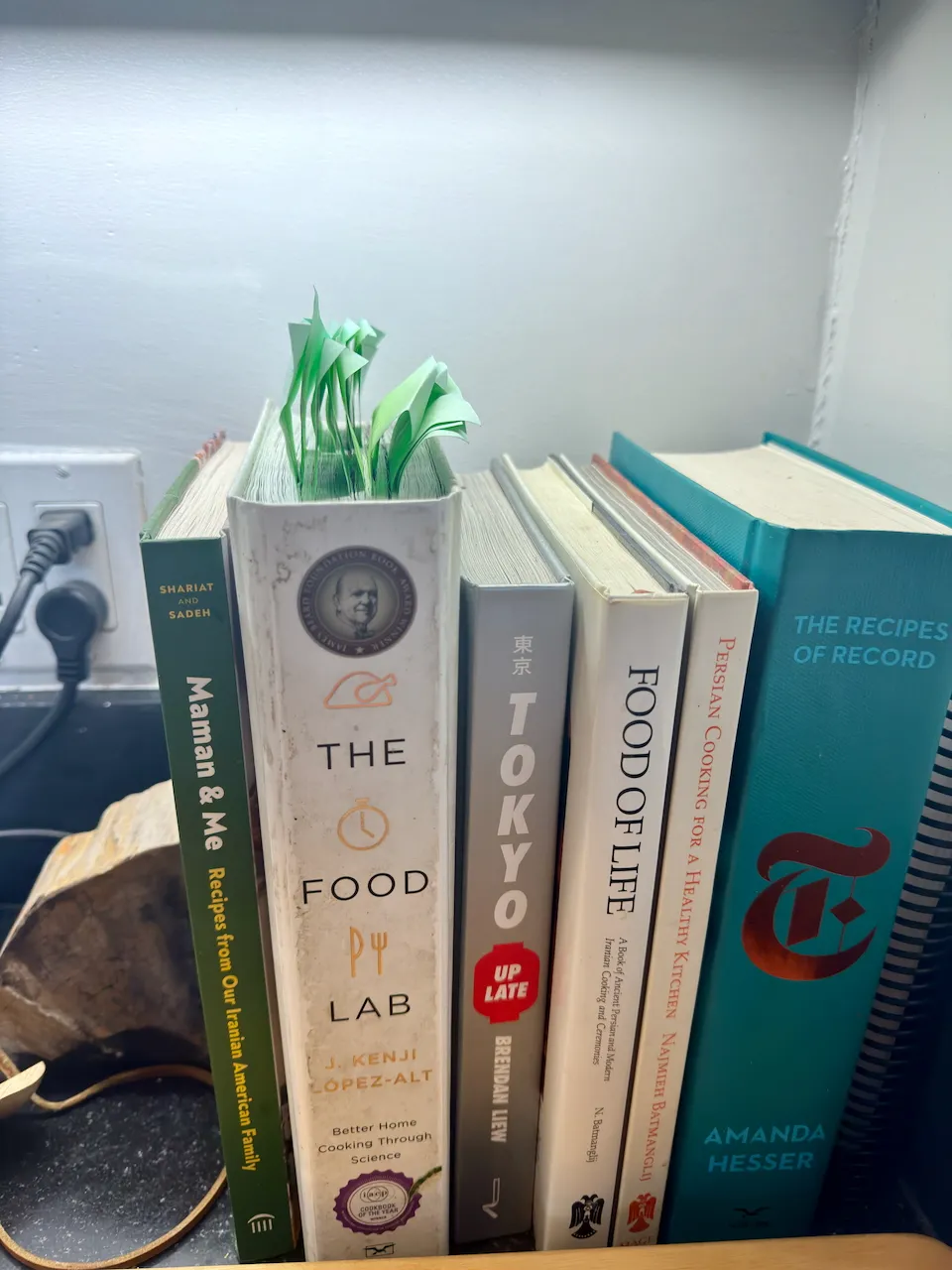
Battle-scarred, as every good cookbook should be
Ignore LLMs, SEOed recipe sites, most of cooking Youtube, all forms of modern technology outside of maybe talking to your mom about her recipes and techniques.
If you need more inspiration, go out to restaurants with friends and do some reverse engineering. Especially on things like salads! They give you the ingredients list right there! There’s no magic you can do it!
Cooking is one of those things that’s been around since the literal dawn of man, and it relies on physics. It hasn’t really changed much over the years.
Seriously, I Have All These Pans And Don’t Know Where To Start
If you want my suggestions on a decent learning path here ya go, none of this is prescriptive. Those pans can basically cook everything.
If you can burn water start off with simple diner breakfast classics. Pancakes, eggs, diner style omelets, grilled cheeses with tomato soup, hash browns.
After that, or if you’re starting with some experience, try steakhouse classics.
Pick your favorite cut of steak and try to find a cooking method you like. Can be searing, reverse searing, coal fire, whatever, as long as you’re happy. Just not well done. That’s my only gate-keeping rule.
Steakhouse sides are a good way to experiment with quick cooking things other than meat. Different styles of potatoes, vegetables like asparagus and simple salads.
Just by learning those two things, you’re prepared for almost every situation where cooking is useful in modern life: feeding hungover people and impressing dates.
After that, if you’re still interested, try out something more exciting. A less common food that you like a lot.
If you like Italian, learn about all the various pasta dishes. Pasta is amazingly versatile and pretty easy once you get the hang of a few simple concepts. Try out simple to learn crowd pleasers like carbonara, pesto, bolognese, and aglio e olio. Give some crowd pleaser amaros a shot too, Aperol, Fernet, maybe Cynar.
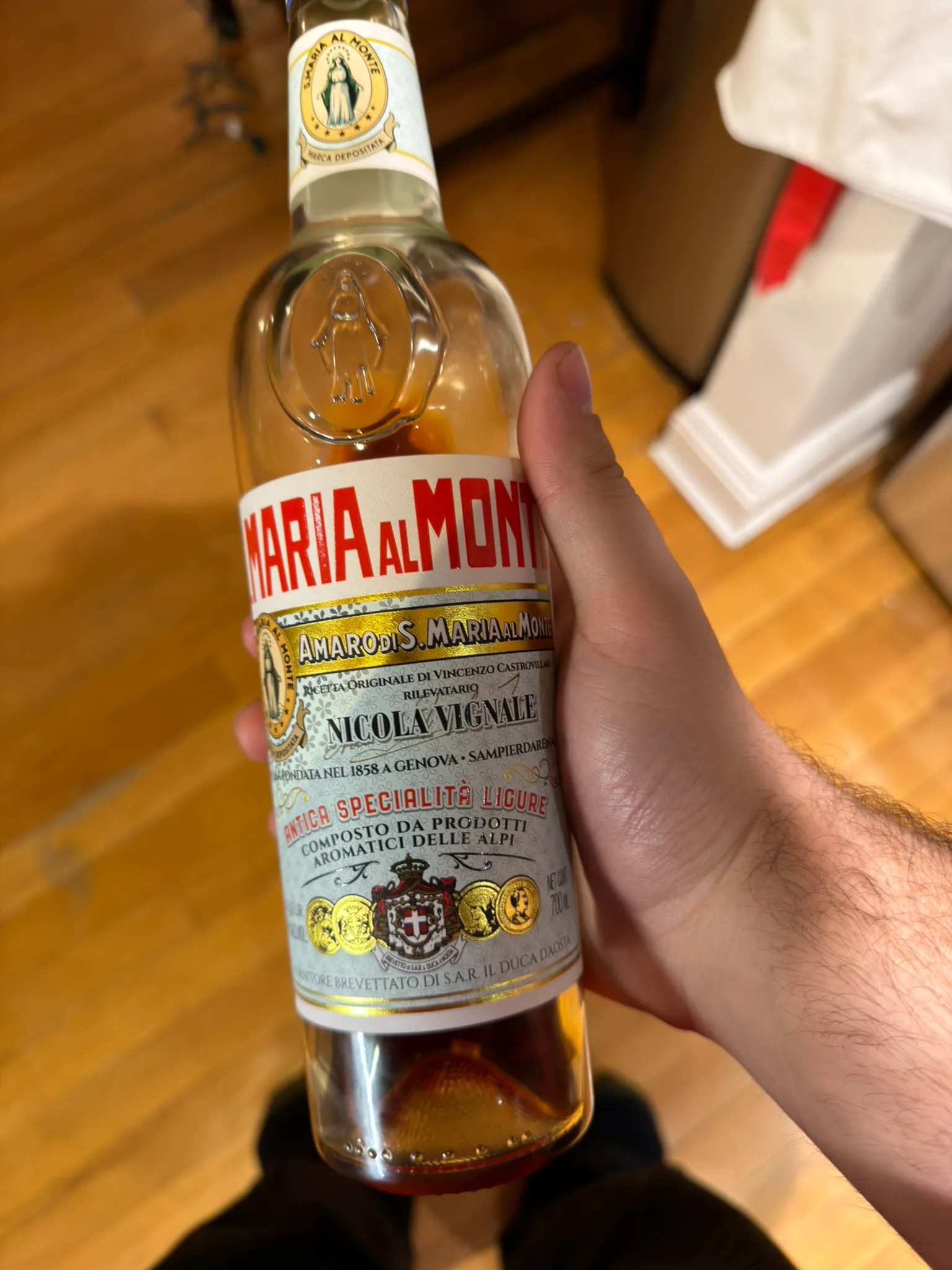
My favorite amaro so far is Santa Maria al Monte
Like French? Skip the foo foo stuff and go for brasserie cooking. Steak au Poivre, Beef Bourguignon, French Onion Soup, Salade Lyonnaise are all great stuff. Get really into their cheeses and beautiful wines. I love Chablis.
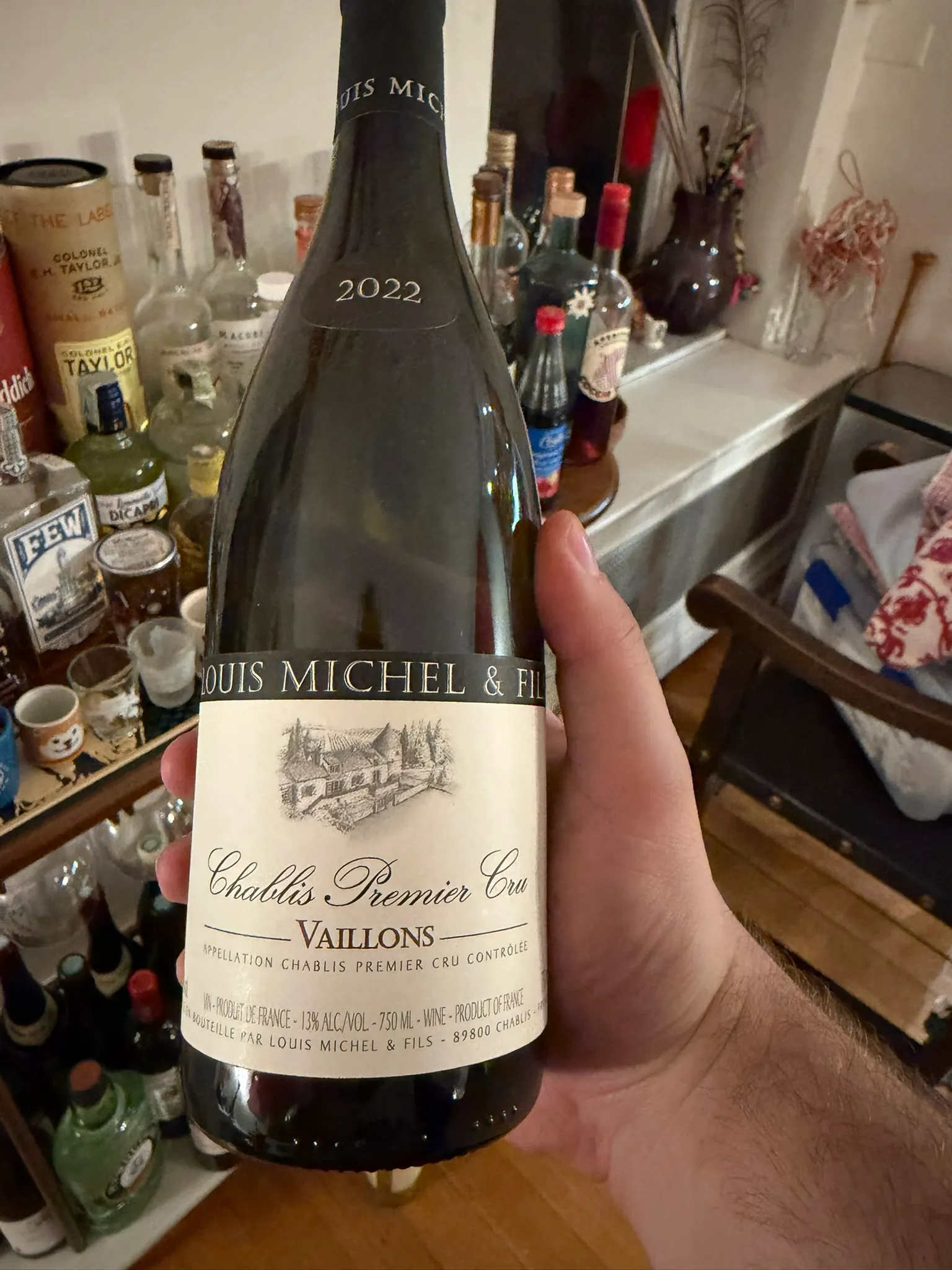
Maybe even have a cigarette after dinner
Say you’re a health nut. Try Greek food. Greek salad is the best in the world and easy to prepare. Pair a whole roast chicken with lemon potatoes and tzatziki! Make some banging lamb. Have you ever had amazing fucking lamb? It’s the best.
If you hate olive oil, try sushi. All you need is a fridge, some high quality fish and some well made rice. You could even just make sashimi and skip the rice.
After that you should basically be capable of picking anything up. The world is your oyster.
There are some things I would steer you away from if you’re brand new to cooking. Complicated and expensive stuff like Indian, Persian and deep frying. Also British food. They sailed away for a reason.
Nothing here is a hard requirement, it’s your life do what you want with it.
Just let me eat some.
- Chris
Footnotes
Random tips
- Just don’t buy spaghetti. Buy bucatini. It’s better in every way. Thicker noodle, a hole in the middle for sauce to get through. Good stuff.
- Thin cut pork chops, and really any thin piece of meat, are fucking awful unless you’ve pounded them out for something like schnitzel. Go to your best butcher in town, or even better a framers market with an actual farmer, to buy inch and a half bone-in pork chops.
- Cooking is about 10% gear, 20% technique, 40% ingredient selection, and 30% cleaning. If you can’t do the time cleaning don’t do the crime of making beef wellington or whatever.
- Seasonality is very important, but don’t get a CSA box unless you know what you’re getting into. As soon as winter hits you will get four to six pounds of red cabbage a week for three months. Cabbage soup only tastes so good for so long.
- Good purveyors are always hard to find in NYC. Your food dollar is competing against professionals budgets.
- Jesus Christ you wouldn’t believe how good the produce is in California. It’s criminal and until we can break the laws of physics it’s literally impossible to get the food to the East Coast as quickly as it can get from field to grocery store over there.
- Seriously, however good you think it is, it’s like 100x better.
- Learn how to make a pan sauce. It’s a simple skill to learn and will do 90% of the cleaning of the carbon steel pan for you. If not making a sauce, clean the pans while hot by just throwing water at them and scraping. They’re thick metal, and like 70$. It’s fine.
- A great butcher, baker, fishmonger and cheesemonger are rare commodities. Particularly for raw fish. If you see that someone is new at their job at a big grocery store, do not trust them. Doublecheck their work.
- Costco is shockingly good value once you know what you’re doing. Especially compared to most regional grocery stores.
- If you can, go hunting or fishing. Fish straight from the sea is obviously the best. It gives you a new appreciation for how difficult it is to get meat to your table.
- If you like food from that country, travel there! That’s how I ended up in Oaxaca and Poland.
- Cooking frequently is just as much about inventory management as actually knowing what to do. Get to know what freezes well, and what doesn’t.
- Spice food with love, just not psychotically.
- Unless you’re really into it, don’t bother with fancy cocktails. Pick one or two that you like and stick with it. Should be simple enough to order and make drunk.
- Just like music, and I guess everything else, while cooking don’t break any rules until you know which ones matter.
- People like to help in some easy way. For example if you’re making tacos, let them press, and steam a few tortillas. Don’t let them help with critical things. Your kitchen is a dictatorship, not a democracy.
- Don’t waste time making something from scratch for people that don’t appreciate it. Often times it’s not their fault, they just didn’t grow up understanding how labor intensive this stuff is. Still, if it’s a waste don’t feel bad about taking shortcuts or not doing anything at all.
- Great salads are unbelievably easy. Chop some good vegetables. Olive oil + vinegar + shallot/garlic and maybe mustard to make a vinaigrette. Nuts and/or croutons. Some meat and some fruit. Done.
- Baking is a totally different animal than cooking. Respect the wildlife.
- As with all things, invite your friends. Have them invite their friends. Make it party.
- If you get good at cooking, you’ll find yourself in situations where you know your mom or someone’s mom is doing something wrong. Unless it’s catastrophic, shut the fuck up. Just ask to help them do it their way. Even if you’re right.
Subscribe!
RSS feed